

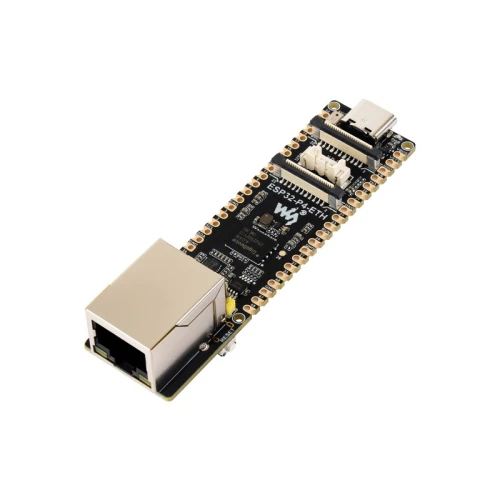
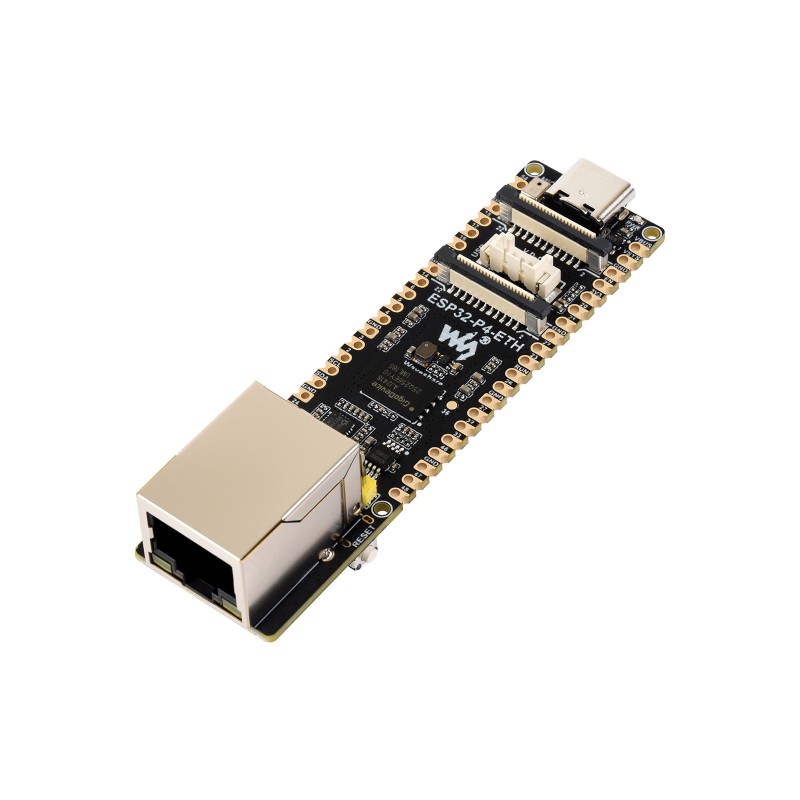
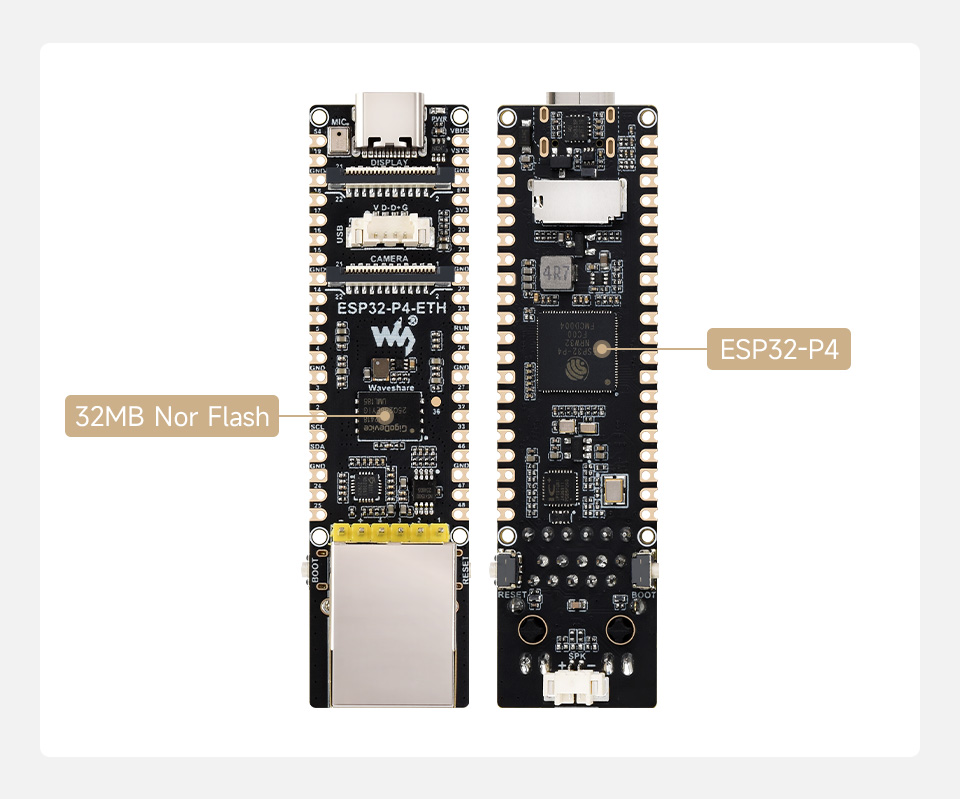
ESP32-P4-ETH development board dual-core RISC-V 32MB PSRAM Ethernet MIPI-CSI DSI Waveshare
Regular price:
 ・Kup teraz i zapłać za 30 dni

product unavailable

ESP32-P4-ETH development board
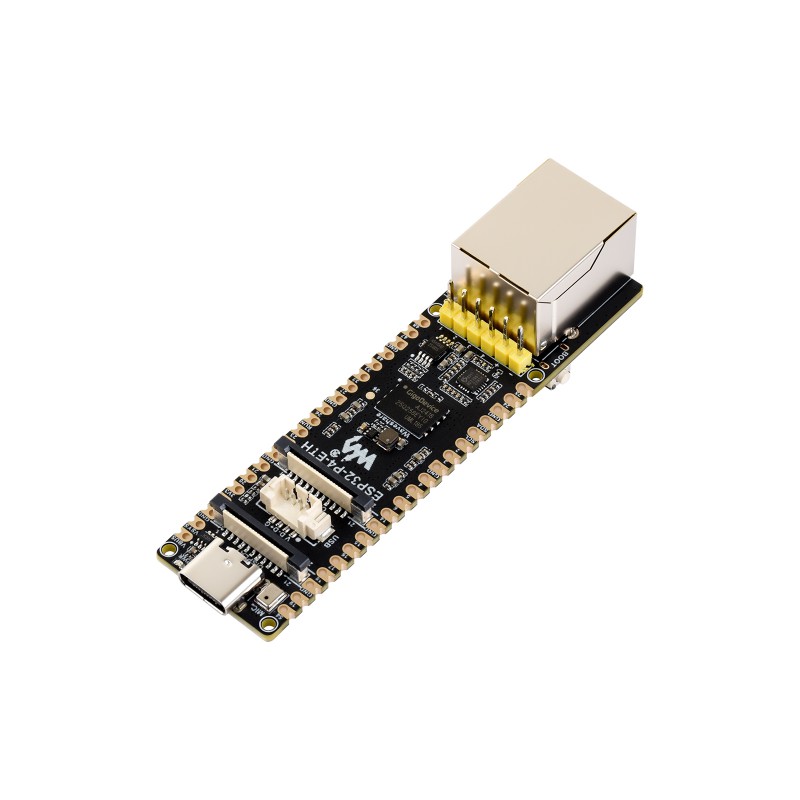
ESP32-P4-ETH is an advanced, multimedia development board based on the ESP32-P4 chip with a dual-core RISC-V processor. The module offers rich HMI interfaces, including MIPI-CSI, MIPI-DSI, USB 2.0 OTG, and an Ethernet port, making it an excellent platform for projects related to encryption, edge computing, and modern IoT devices.
Key features:
- High-performance MCU with a dual-core and single-core 32-bit RISC-V processor.
- Integrated 32 MB of PSRAM on the chip and an additional 32 MB of Nor Flash memory on the board.
- Advanced hardware image processing: support for JPEG, PPA, ISP codecs, and an H.264 hardware video encoder.
- Rich communication peripherals: MIPI-CSI connector, MIPI-DSI, USB 2.0 OTG, 100M RJ45 Ethernet port, TF card reader (SDIO 3.0), built-in microphone, and speaker jack.
- Exposed GPIO headers (2x20-pin), providing up to 27 free, programmable input/output pins (compatible with, among others, selected Raspberry Pi Pico add-ons).
- Extensive security features: Secure Boot, Flash Encryption, cryptographic accelerators, TRNG generator, and privilege separation mechanisms.
Two power supply methods for the system
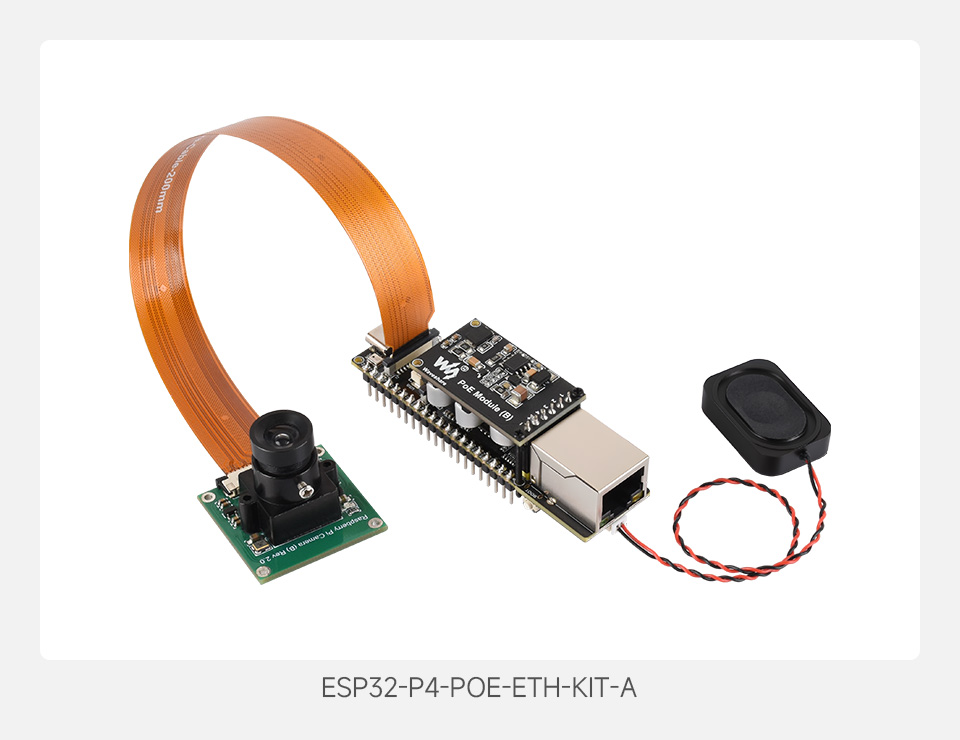
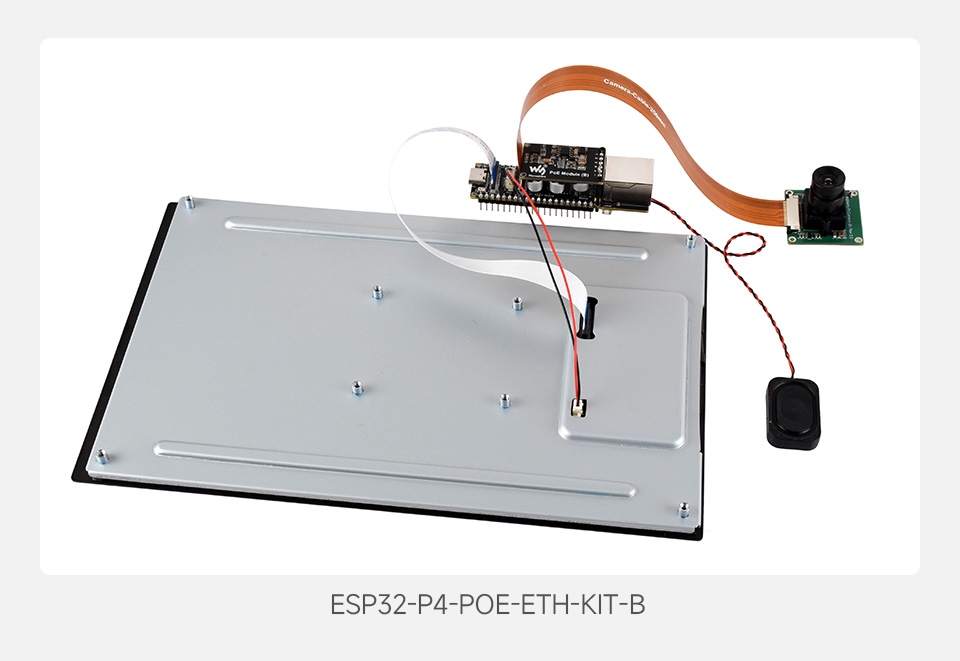
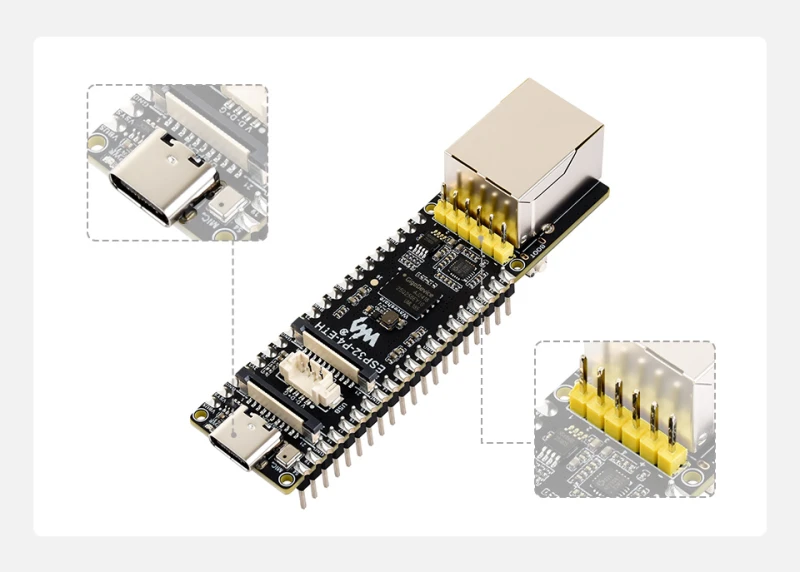
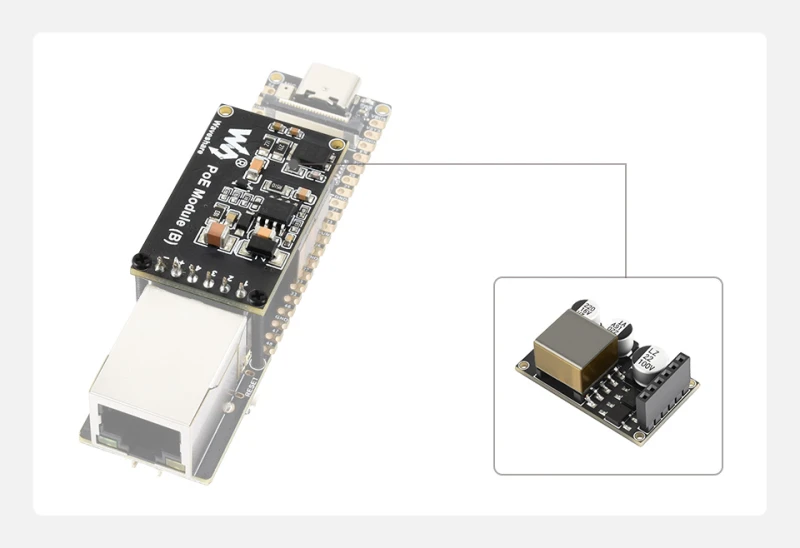
The board has been designed with flexibility in mind. The standard way to power and upload software is via the USB Type-C port. Additionally, the board has dedicated pins for a Power over Ethernet (PoE) module.
Important: The presented version of the board does not include a built-in PoE power module. Powering from an Ethernet network (Power over Ethernet) is only possible after purchasing an optional PoE add-on.
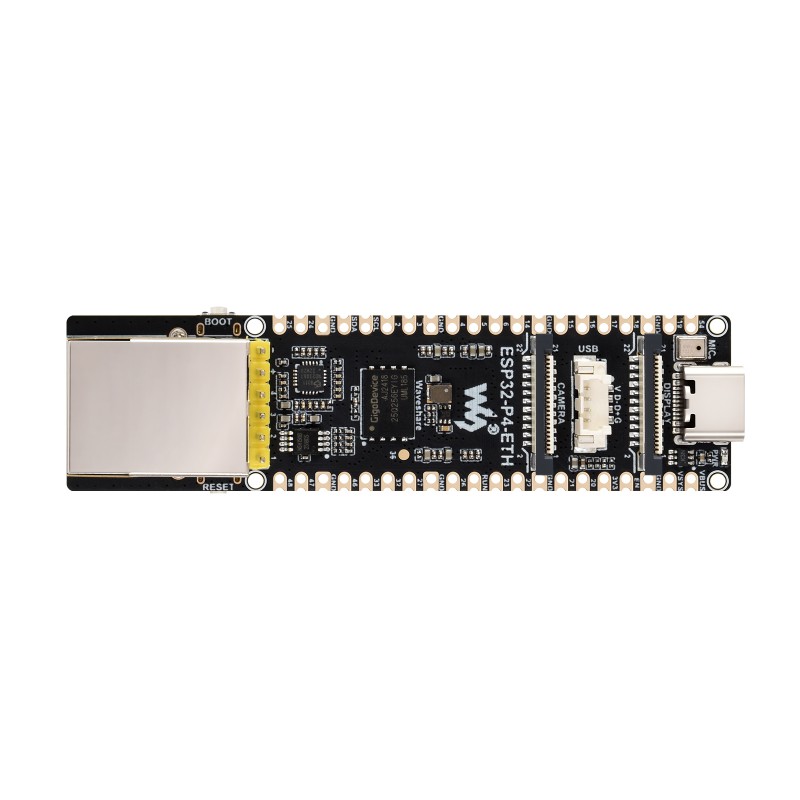
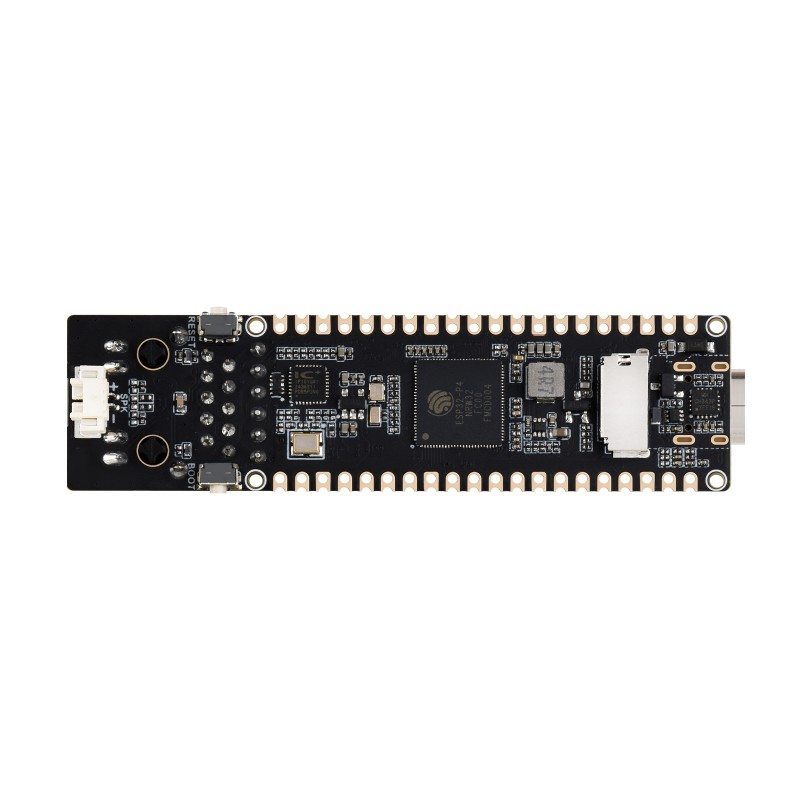
Component layout on the board
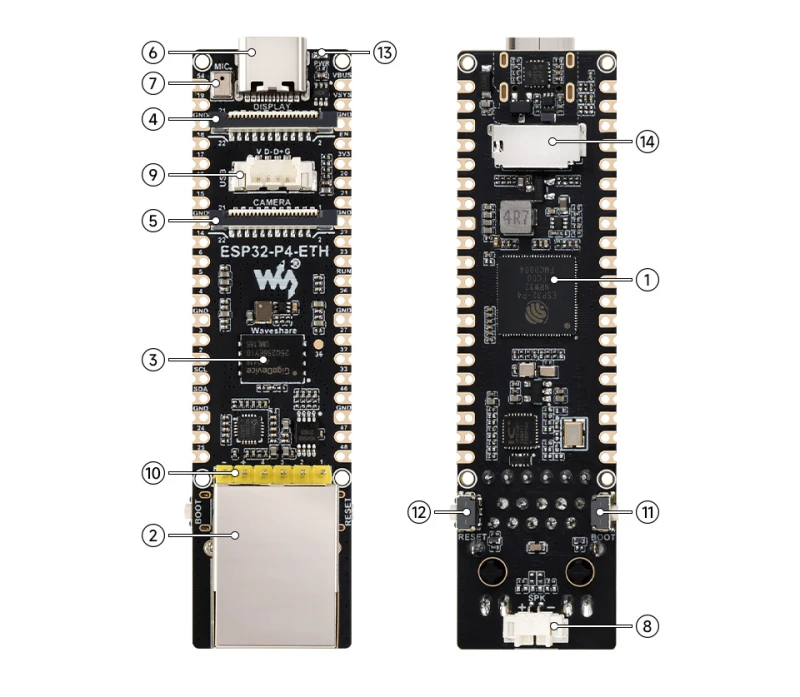
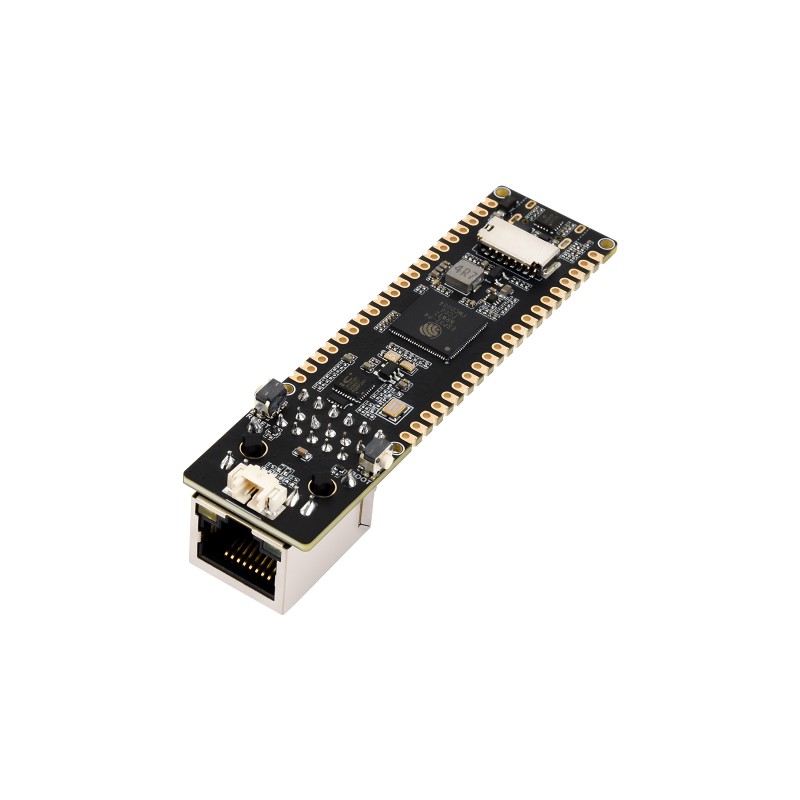
- ESP32-P4NRW32 chip - ESP32-P4 chip equipped with 32 MB of PSRAM.
- 100M RJ45 Ethernet port - reliable wired communication.
- Nor Flash memory - integrated 32 MB.
- MIPI-DSI display interface - 2-lane, for connecting compatible DSI screens.
- MIPI-CSI camera interface - 2-lane, intended for, among others, OV5647 cameras.
- USB Type-C port - for providing power and uploading code.
- Built-in microphone - facilitating direct voice interactions.
- Speaker connector - MX1.25 2P, dedicated to 8Ω 2W speakers.
- 4PIN USB connector - output for the USB OTG 2.0 High Speed interface.
- Pins for PoE module - sockets for soldering an optional power module.
- BOOT button - pressing and holding during startup puts the system into programming mode.
- RST button - used for hardware resetting of the system.
- Power indicator - signaling LED.
- TF memory card slot - connector in the SDIO 3.0 protocol standard.
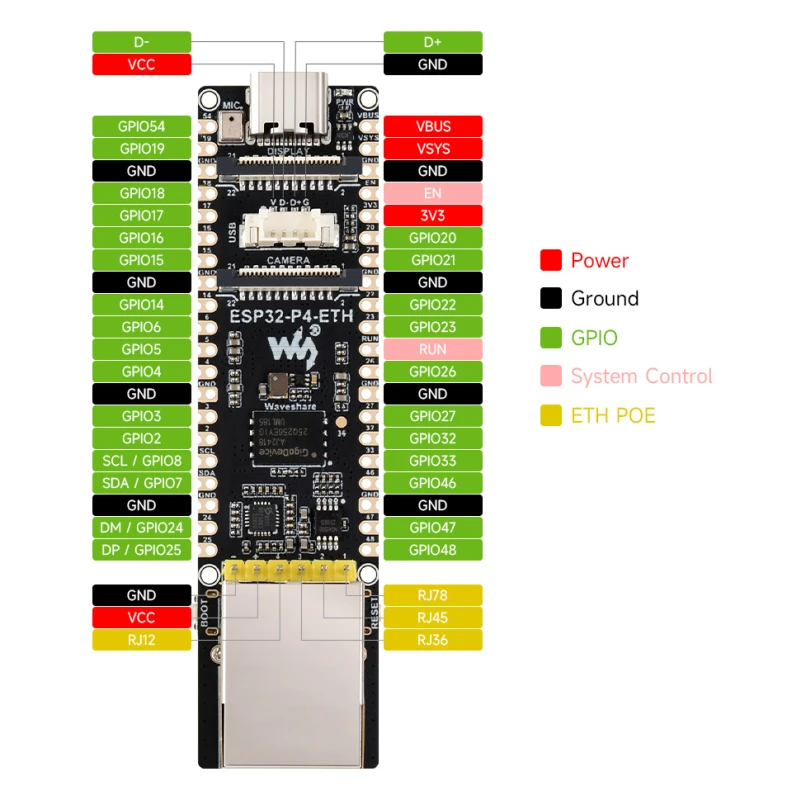
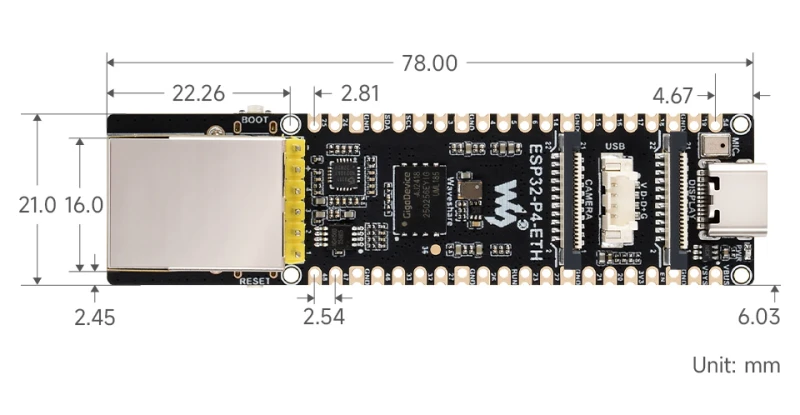
Pinout and dimensions
Kit contents
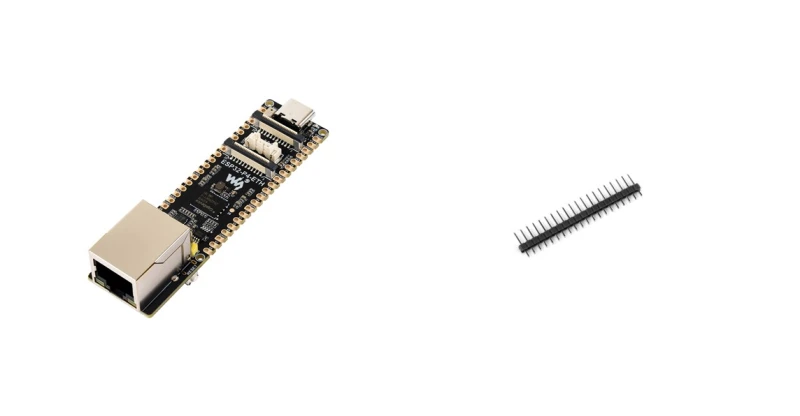
- ESP32-P4-ETH development board x1
- Goldpin connector 20PIN x2
 Popular products